Terracotta Warriors Museum
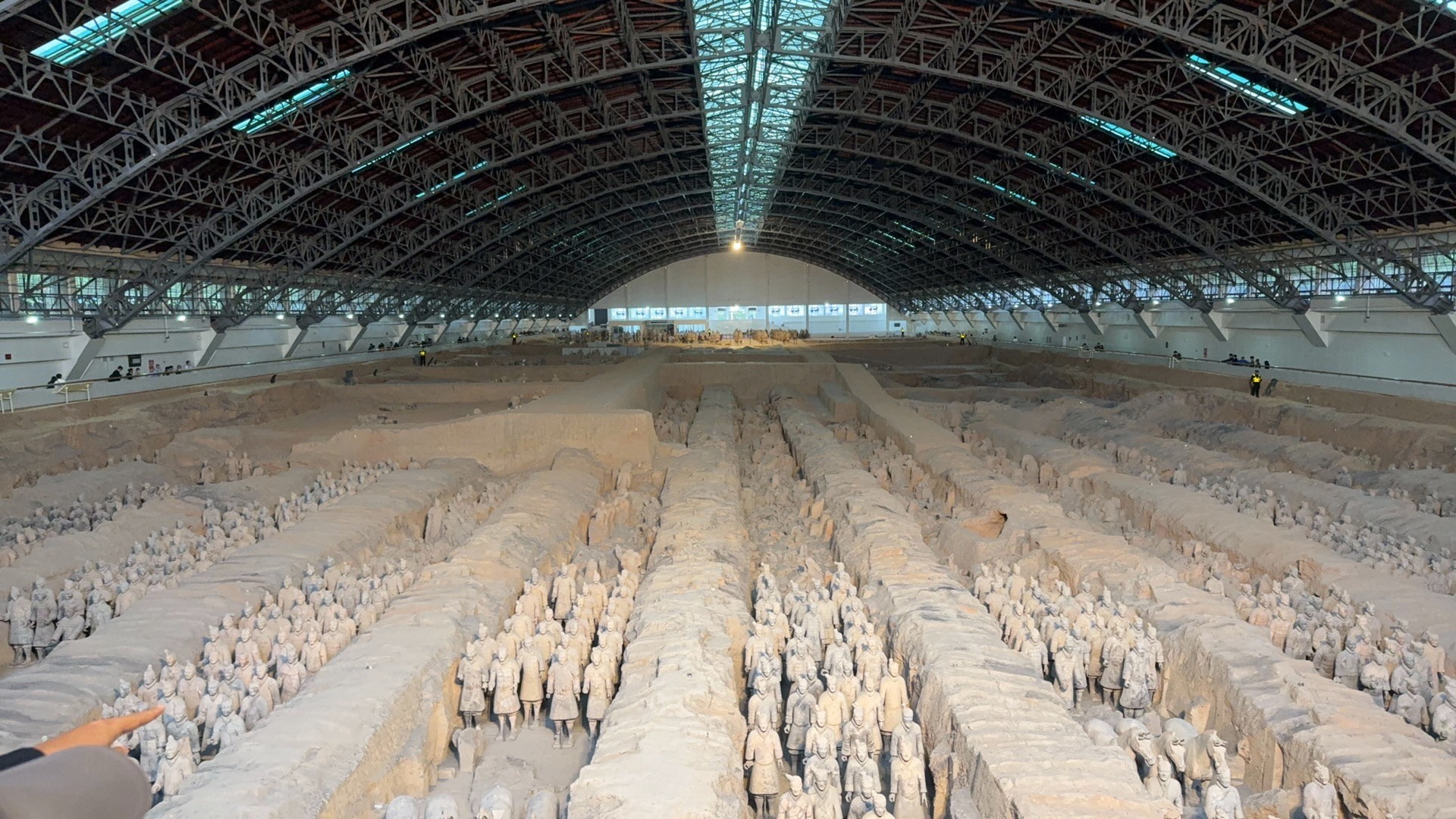
Eight thousand clay soldiers, no two faces alike, standing in formation under a hangar built over a farmer's well.
Thirty-five kilometers east of Xi'an, three excavation pits hold an estimated 8,000 life-size terracotta warriors, horses and chariots, buried around 210 BC to guard the tomb of China's first emperor.
Read the full guide to Terracotta Warriors Museum
An Army Waiting for 2,200 Years
The draw
Pit 1 is the reveal: 230 meters long, ranks of infantry in column formation, each figure with individual armor, hairstyle and expression. Pit 2 has the cavalry and archers; Pit 3 the command post. The bronze chariots in the museum are astonishingly detailed — 3,000 parts, still functional.
Backstory
Farmers digging a well in 1974 hit a terracotta head. Archaeologists found an army buried in trenches, painted in bright lacquer that curled off within minutes of exposure. The emperor's actual tomb, a mound 76 meters high, remains unexcavated.
Plan your visit
Three hours. Take the shuttle from Xi'an North or bus 306 from the railway station. See Pit 1, then 3, then 2, then the bronze chariot hall — the reverse of the crowd flow.
Practical tips
Arrive at 8:30 opening; tour groups hit Pit 1 by 10:00. Hire a guide or an audio guide — the labels explain little. No flash, no tripods.
Pair it with
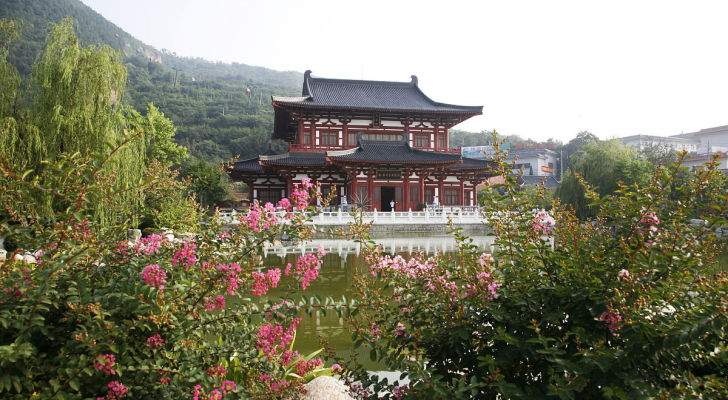
Huaqing Palace 10 minutes away, and the Qinling Mountains. Eat at a local biangbiang noodle shop in Lintong town.
The invitation
Stand at the end of Pit 1 and count faces; the army was built to be looked at.
Allow half to one day