Forbidden City (Palace Museum)
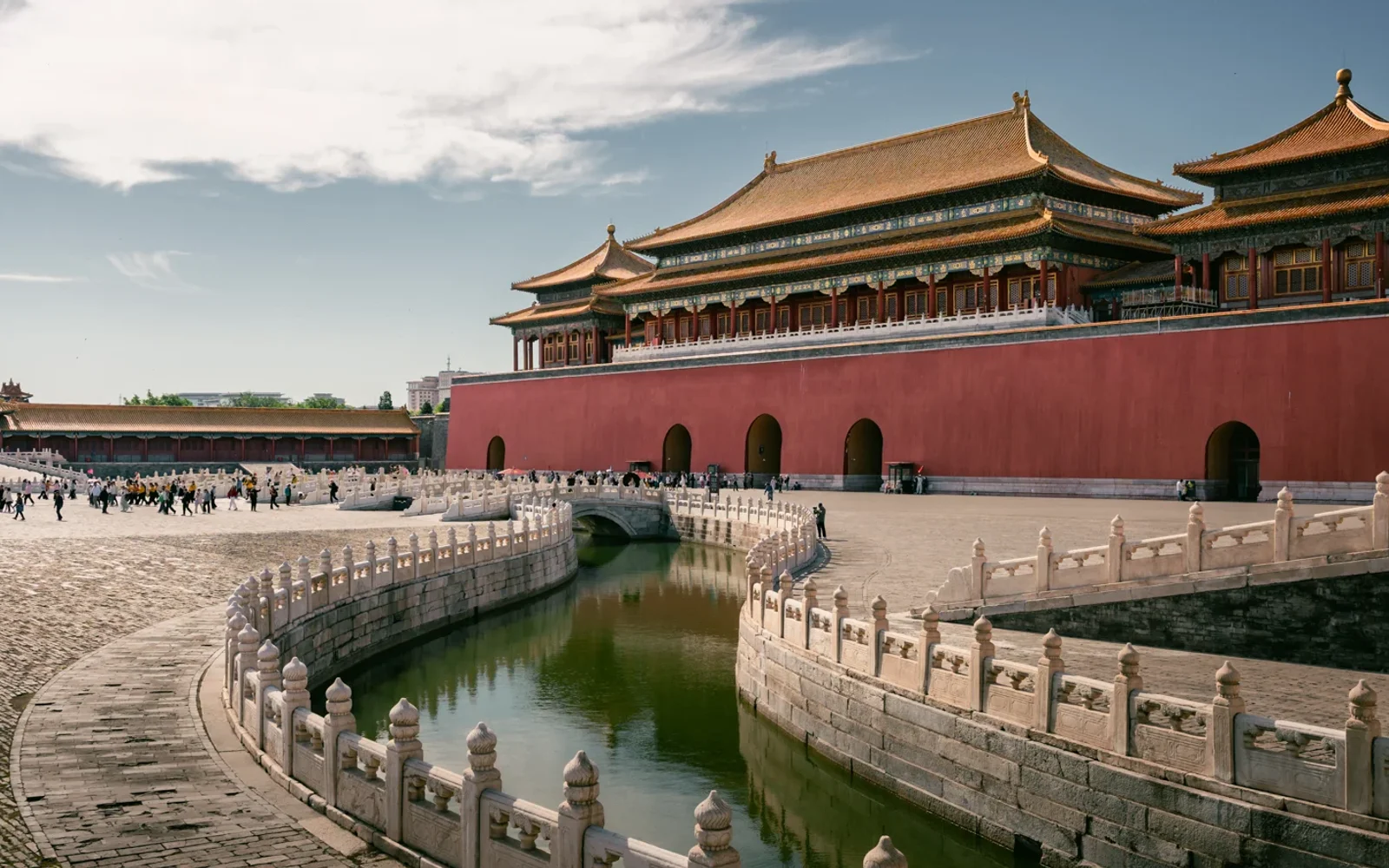
Half a millennium of emperors lived behind these vermilion walls, and the throne room they left behind is still the largest wooden palace on earth.
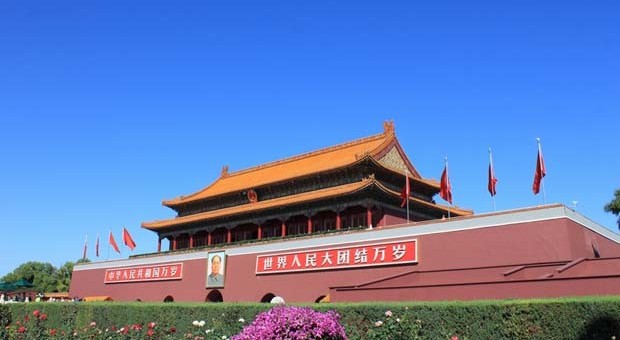
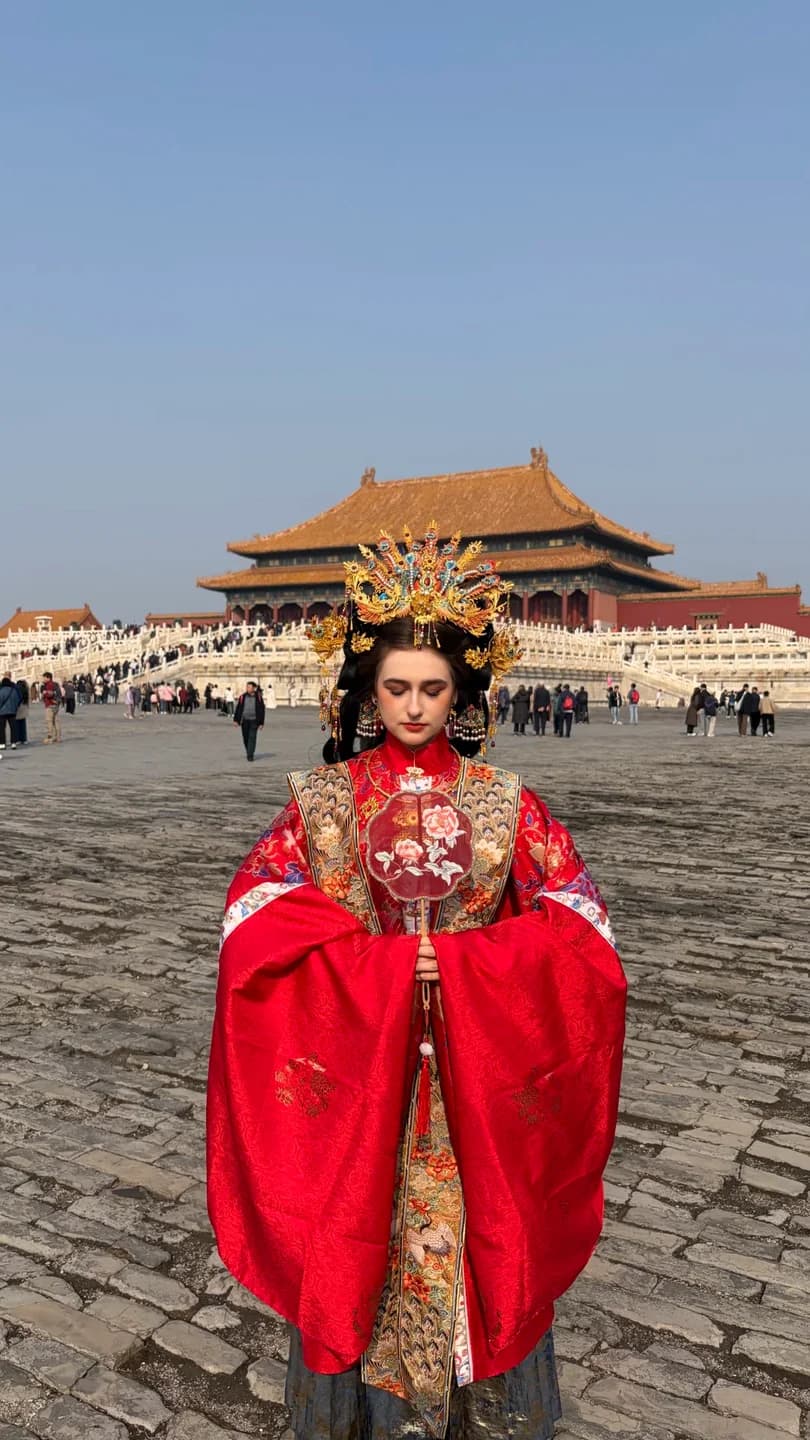
At the exact center of Beijing, a 72-hectare rectangle of walls and courtyards holds 980 surviving buildings and roughly 8,700 rooms. This was the palace of the Ming and Qing dynasties from 1420 to 1911; since 1925 it has been the Palace Museum, holder of some 1.8 million objects.
Read the full guide to Forbidden City (Palace Museum)
9,999 Rooms and One Empty Throne
The draw
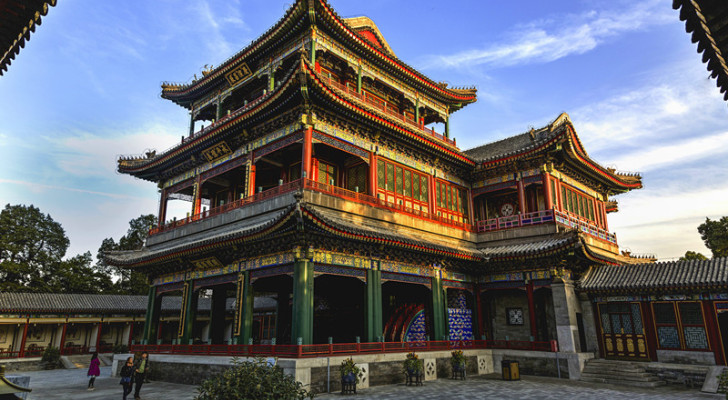
You walk the same north-south axis the emperors did: Meridian Gate, the five marble bridges, the three great halls on their triple-tiered terrace, then the private quarters and the Imperial Garden. Look for the 16-meter carved marble ramp in front of the Hall of Supreme Harmony, the Nine Dragon Screen, and the single slab of stone that 20,000 laborers dragged in on an ice road. The Treasure Gallery in the eastern palaces holds gold and jade work that justifies a second hour.
Backstory
The Yongle Emperor moved his capital north from Nanjing in 1420 and built this complex with a million laborers and a hundred thousand craftsmen. Court etiquette required 9,999 and a half rooms, because only heaven could own ten thousand. The last emperor, Puyi, was finally evicted in 1924, a year before the doors opened to the public.
Plan your visit
Enter at Meridian Gate in the south, follow the central axis for two hours, then detour east to the Treasure Gallery and west through the six palace courtyards. Allow three to four hours. Exit north and cross Jingshan Park for the classic roofline view over golden tiles.
Practical tips
Tickets are real-name and sell out: reserve on the official WeChat mini-program up to seven days ahead, bring your passport, and note the museum closes Mondays. Arrive for the 8:30 opening, wear shoes you can stand in for hours, and leave tripods and selfie sticks at the hotel.
Pair it with
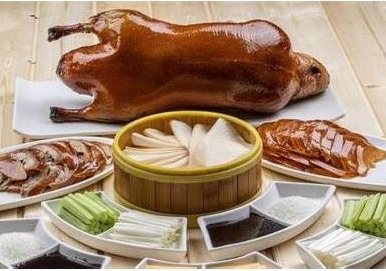
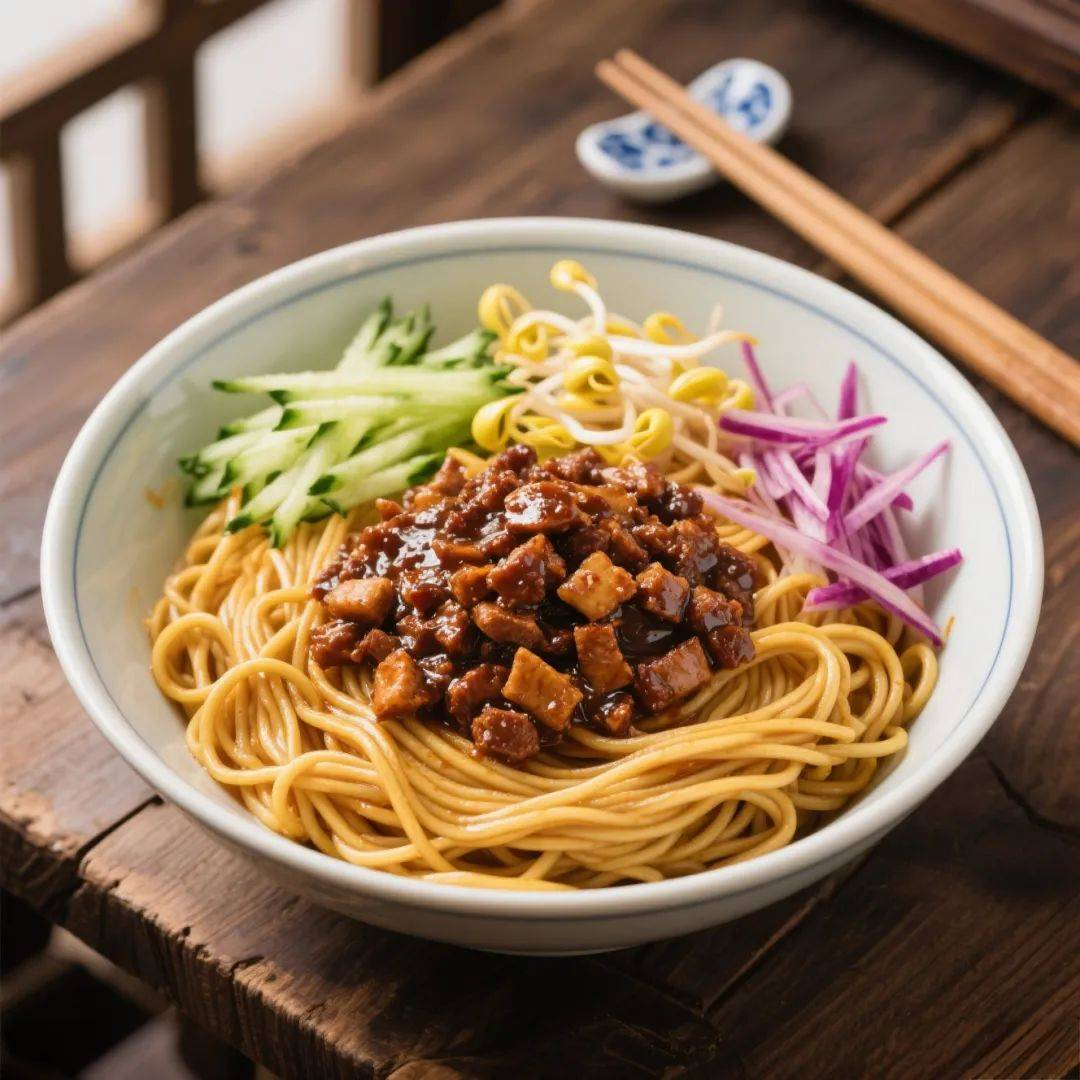
Jingshan Park, Beihai Park and the National Museum are all within a 20-minute walk; finish with Peking duck at Siji Minfu or a bowl of zhajiang noodles in the hutongs. For souvenirs, the museum's stationery and porcelain replicas beat anything on the street.
The invitation
Book the first morning slot, be at the gate when it opens, and let six hundred years of footsteps do the talking.
Allow half a day