Dujiangyan Irrigation System
An irrigation system built in 256 BC that has never stopped running — and made Sichuan the breadbasket of China.
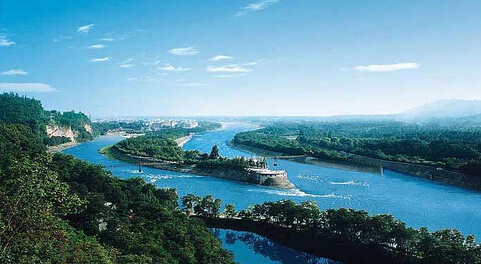
Forty kilometers northwest of Chengdu, where the Min River leaves the mountains, Dujiangyan is a hydraulic engineering complex of weirs, channels and a levee, still irrigating half a million hectares of farmland.
Read the full guide to Dujiangyan Irrigation System
The Canal That Still Works After 2,200 Years
The draw
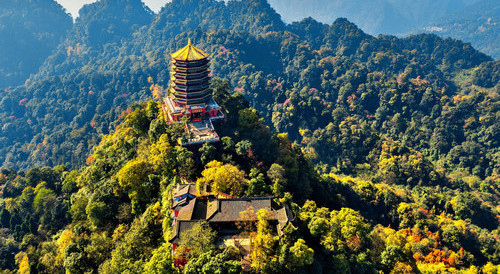
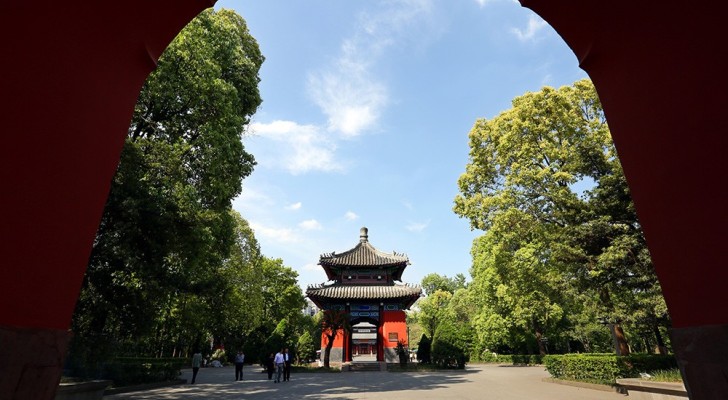
The genius is visible: a man-made island splits the river into inner and outer streams, a narrow channel scours silt away automatically, and a levee spills floods without a single dam. Walk the Anlan suspension bridge, climb the Erwang Temple for the overview, and see the 1,800-year-old statue figures that once measured water depth.
Backstory
Li Bing, governor of Shu, built it around 256 BC for the Qin state. He left a maintenance rule carved in stone: "dig the channel deep, keep the weir low." It has been followed for 22 centuries.
Plan your visit
Half a day, ideally morning. Enter at the south gate, walk the fish-mouth levee, cross the bridge, and take the shuttle up to Erwang Temple. Combine with Qingcheng Mountain for a full day.
Practical tips
The site is large and hilly; wear shoes with grip. Summer is humid, spring is best. Book the high-speed train from Chengdu (30 minutes) rather than a bus.
Pair it with
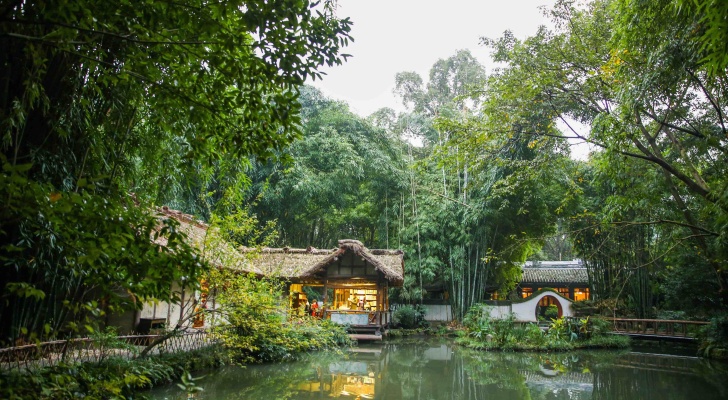
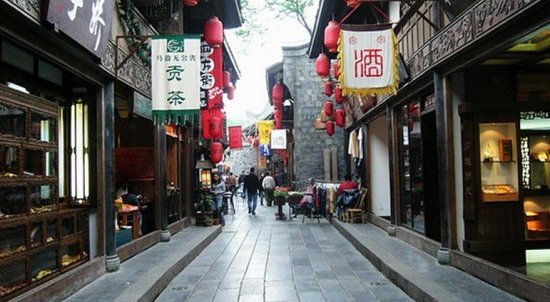
Qingcheng Mountain, the Panda Valley base, and Dujiangyan's old town for cold noodles and rabbit head. Buy a bamboo water scoop as a small souvenir.
The invitation
Stand at the fish mouth and watch water divide exactly as designed two thousand years ago.
Allow half to one day